The Family Icon Comes Home: Stewardship Questions for Inherited Sacred Art
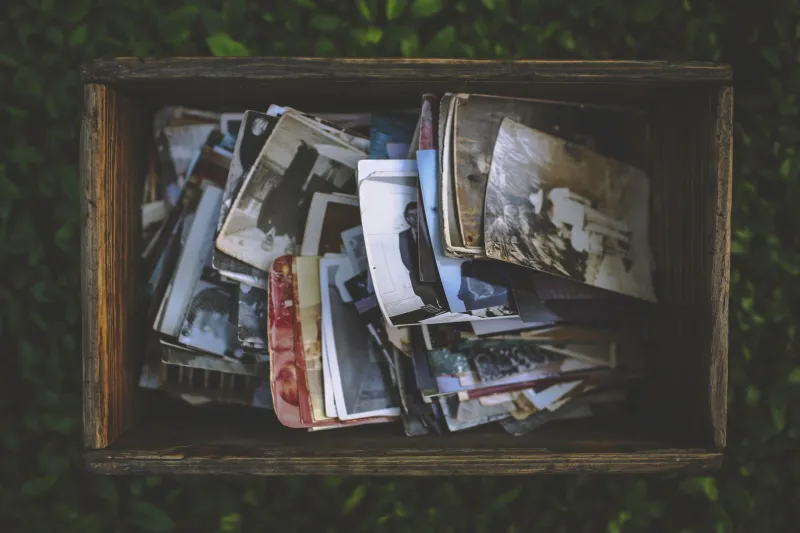
When an icon passes from one generation to the next, it rarely arrives with a complete file. It may come wrapped in a towel, tucked into a suitcase, or handed over after a funeral with a few sentences of family memory. For many American families, the object is simultaneously a sacred image, a link to an immigrant past, and an item of uncertain market value. Iconsete’s mission—preserving sacred images and advancing scholarship—begins in precisely such domestic moments. The following questions are not a substitute for legal, tax, or conservation advice, but they offer a disciplined starting point for families who want to care for an inherited icon responsibly.
What Exactly Has the Family Inherited?
The first task is descriptive, not evaluative. Record what is physically present: dimensions, materials, inscriptions, labels, stamps, and any attached papers. Photograph the front, back, edges, and any frame before moving or cleaning the object. Inscriptions may identify a patron, donor, feast day, artist, workshop, or parish. Even a faded pencil note on the backboard can establish a chain of ownership. Ask relatives about the object’s route into the family: Was it brought from Europe, the Middle East, Latin America, or another region? Did it belong to a church, a religious community, or a private household? Was it purchased, gifted, or rescued?
Provenance is rarely a single document. It is assembled from immigration records, parish bulletins, family photographs, correspondence, insurance inventories, and oral testimony. Write down family memories while they are still available, and distinguish clearly between what is documented and what is remembered. A label reading “from grandmother’s house” is a start, not a conclusion. For families considering donation or sale, this distinction matters to museums, appraisers, and scholars alike.
Is the Condition Stable Enough to Hang?
Sacred images are often made of layered materials—wood, canvas, plaster, pigment, gold leaf, varnish, and later repairs—that respond differently to heat, moisture, and handling. Before display, inspect for flaking paint, lifting gold, cracks, warping, insect activity, mold, water staining, or loose frame joints. Do not test cleaners, oils, or polishes on any area, and do not attempt to reaffix flakes with household adhesives. Traditional devotional practices in some communities have included wiping icons with oil or water; on aged surfaces, such practices can cause irreversible damage.
A stable location matters as much as a stable object. Avoid direct sunlight, radiators, fireplaces, kitchens, bathrooms, and damp basements. Rapid swings in temperature and humidity can be more harmful than a steady, moderate environment. If the icon must remain in a frame, check that the frame is not crushing the painted surface and that hanging hardware is rated for the object’s weight. For particularly fragile pieces, a conservator may recommend a custom mount or archival storage rather than continuous display.
How Should Devotion and Display Be Balanced?
Many inherited icons are not merely decorative. They may be used for prayer, veneration, or family ritual, and that use deserves respect. At the same time, active devotional handling carries risks. Families should decide together whether the object will remain in devotional use, be displayed behind glass, or be retired to protected storage. If the icon is used with candles or incense, keep flames and smoke at a safe distance; soot and heat damage are common on older surfaces.
Display choices also raise interpretive questions. An icon in a living room is often read differently than one in a church or museum. Families may wish to label the object for visitors, noting its subject, date range, and family history without overstating certainty. If the image is of significant age or artistic quality, consider whether public display is appropriate or whether a facsimile would better serve daily devotion while the original is preserved.
What Do Insurance and Estate Planning Require?
Household insurance policies may cover inherited art only up to limited sublimits, and sentimental value is not the same as insurable value. Families should ask their insurer whether the icon needs a scheduled rider, a recent appraisal, or professional photographs. For charitable donations, the IRS generally requires a qualified appraisal for noncash gifts above certain thresholds; families should consult a tax professional and confirm the receiving institution’s own acceptance policies. Estate planning should identify who will inherit the object, whether it may be sold, and how associated documentation will be transferred. A simple written inventory, stored with the will and shared with heirs, prevents many later disputes.
When Should a Conservator or Scholar Be Called?
Call a conservator when condition problems are active—flaking, mold, pests, water damage, or structural instability—or when the object’s value or age is unclear. A professional can assess treatment options and help families avoid well-intentioned damage. Call a scholar or curatorial specialist when inscriptions, iconography, or attribution need careful study. Such consultation can enrich family understanding and may reveal connections to known workshops, religious communities, or historical events. Iconsete encourages families to document these findings and, where appropriate, share them with researchers and public collections.
Inheriting an icon is not simply a transfer of property. It is an invitation to stewardship. The most responsible first step is often the quietest: slow down, record what is known, stabilize what is fragile, and seek qualified advice before making irreversible choices. In that way, American families can preserve both the sacred image and the knowledge that gives it meaning.