The Unpainted Archive: Reading the Reverse of Sacred Icons in America
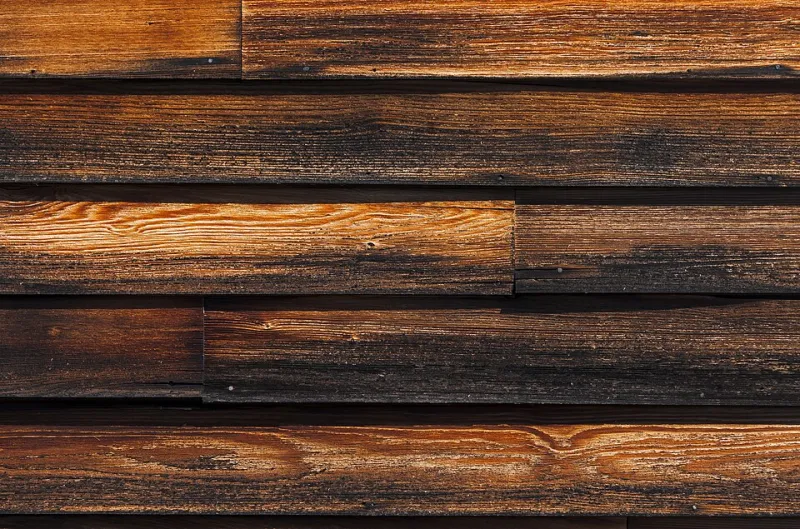
Photo: Daniel Case, CC BY-SA 3.0, via Wikimedia Commons
The front of a sacred icon commands attention. Its gaze, its gold, its gestures are meant to draw the viewer into prayer. The reverse is another matter. It is usually hidden against a wall, a stand, or a crate lining, and it is often dismissed as the unworked side of a wooden panel. Yet in American collections, the verso frequently carries a denser and more prosaic record than the image itself. It is there that immigration, parochial life, commerce, and conservation leave their marks.
For curators and conservators, the back of an icon is not a blank support. It is a stratified document. Paper labels, ink stamps, pencil annotations, customs chalk, exhibition tags, and treatment notes accumulate in layers that can be read alongside the painted surface. At a time when American parishes are consolidating, private collections are dispersing, and museums are borrowing sacred objects across state lines, the reverse has become an essential instrument of provenance research and stewardship.
A Support That Remembers
Wood behaves like a record-keeping material. It warps, splits, and shrinks in response to climate; it holds nail holes, saw marks, and joinery that reveal how a panel was made and later repaired. Conservators examine the reverse under raking light to map plane distortions, insect damage, and old cradle systems. Ultraviolet fluorescence can distinguish original wood from later fills and reveal adhesives that are invisible in ordinary light. Before any treatment begins, the verso is photographed and measured, because cleaning a label or consolidating a flaking inscription can alter evidence that cannot be recovered.
Unlike the painted face, the reverse has no iconographic program to interpret. That absence is precisely what makes it useful. It is a surface of accidents and administration: the places where an object was handled, shipped, displayed, stored, and repaired. A single panel might carry a nineteenth-century Russian maker's stamp, a mid-twentieth-century customs mark from the Port of New York, a parish property tag, and a late-twentieth-century museum loan number. Each mark belongs to a different institutional language, and together they sketch a biography.
Labels, Stamps, and the Geography of Transit
Customs stamps are among the most overlooked traces on American icons. A faint ink impression on the reverse may record an entry point, a duty classification, or a date of clearance. Shipping labels can identify a carrier, a crate number, or a destination parish. Dealer inventory numbers, often written in grease pencil or typed on small adhesive tags, document the commercial networks through which sacred art moved. Exhibition labels from regional museums and university galleries show that an object once traveled for public instruction, not only for devotion.
These marks require cautious reading. Labels can be transferred from one panel to another, reused, or fabricated. A customs stamp may indicate only that a crate passed through a port, not that its contents were correctly declared. Provenance research therefore treats the reverse as one source among many, to be corroborated with diocesan archives, dealer records, family photographs, and oral testimony. The goal is not to accept every mark at face value but to build a defensible account of custody and change.
Inscriptions of Devotion and Parish Life
Not all marks on the reverse are bureaucratic. Many icons carry handwritten inscriptions: donor names, feast-day dedications, family names in Cyrillic, Greek, Arabic, or Latin script, and brief petitions such as "Pray for us." These inscriptions often identify the people who commissioned, carried, or donated an object, and they can be the only surviving link between a panel and a particular immigrant community. In American parishes shaped by successive waves of migration, such records matter. They document not only ownership but also devotional practice, kinship, and the transfer of sacred art from one generation to the next.
The reverse also preserves evidence of use that the front may conceal. Wax residue, incense deposits, mounting holes, and worn edges can indicate how an icon was hung, processed, or handled during services. When a parish closes or merges, these traces become especially valuable. They help archivists and community historians understand how sacred objects functioned in the life of a congregation, rather than treating them solely as works of art.
Conservation Notes as Layered Commentary
Modern conservation adds another stratum. Treatment reports, accession numbers, conservator initials, and dates are frequently written on the reverse in pencil or applied to labels. Old repairs, such as butterfly keys, fills, and battens, are themselves historical interventions that should be documented rather than erased. Conservation ethics favor minimal intervention and reversibility, and that principle applies to documentation as well: a later label may be historically significant even if it is not original to the object.
Institutions with research missions increasingly treat the verso as a coequal surface. At Iconsete, the editorial and scholarly emphasis on preserving sacred images includes the material record that surrounds the image. A treatment that stabilizes flaking paint but obscures a customs stamp without recording it has diminished the object's documentary value. Good stewardship requires that conservators, curators, and clergy agree on what will be photographed, transcribed, and retained before work begins.
A Documentation Protocol for Parishes and Private Stewards
Parishes, dioceses, and private collectors do not need a laboratory to begin. A consistent photographic protocol is the first step. Before an icon is moved or cleaned, record the overall recto and verso with a scale bar and color target. Use raking light to capture surface texture, labels, and inscriptions. Take detail photographs of every label, stamp, and handwritten mark, and note its location on a simple diagram. If ultraviolet light is available, photograph the reverse under UV to document adhesives and later additions.
Transcribe inscriptions as precisely as possible, noting language, date, and uncertainty. Do not remove labels or adhesive residue in an effort to tidy the panel. Store images with descriptive metadata and link them to the object's accession or parish inventory record. Where names of living donors or family members appear, handle the information with appropriate privacy. Finally, record oral history while it is available. A single interview with a parishioner who remembers an icon's arrival can explain a shipping label that no archive can decode.
The Stewardship Case for Turning the Panel Around
The reverse of a sacred icon is not a lesser surface. It is an unpainted archive of American passage, and it is vulnerable. Labels fall off, adhesives fail, water damages paper, and well-meaning cleaning erases pencil notes. Photographing and documenting the back is a low-cost, high-value act of stewardship that serves scholarship, insurance, loan preparation, and community memory. For parishes and collectors alike, the painted face deserves reverence; the reverse deserves equal attention.